ERP Softwares
Sage Intacct AI Features in 2026: How AI Is Changing Financial Management
Sage Intacct now embeds AI across several parts of the finance workflow rather than offering a single assistant. In 2026, that includes a set of

Sage Intacct now embeds AI across several parts of the finance workflow rather than offering a single assistant. In 2026, that includes a set of
Sage Intacct is modular. You start with core financials and add capability as the business needs it, which means the feature list you’re quoted is
Sage does not publish a fixed price for Sage Intacct. Cost is quote-based, built around your specific user count, modules, and entity structure, which is
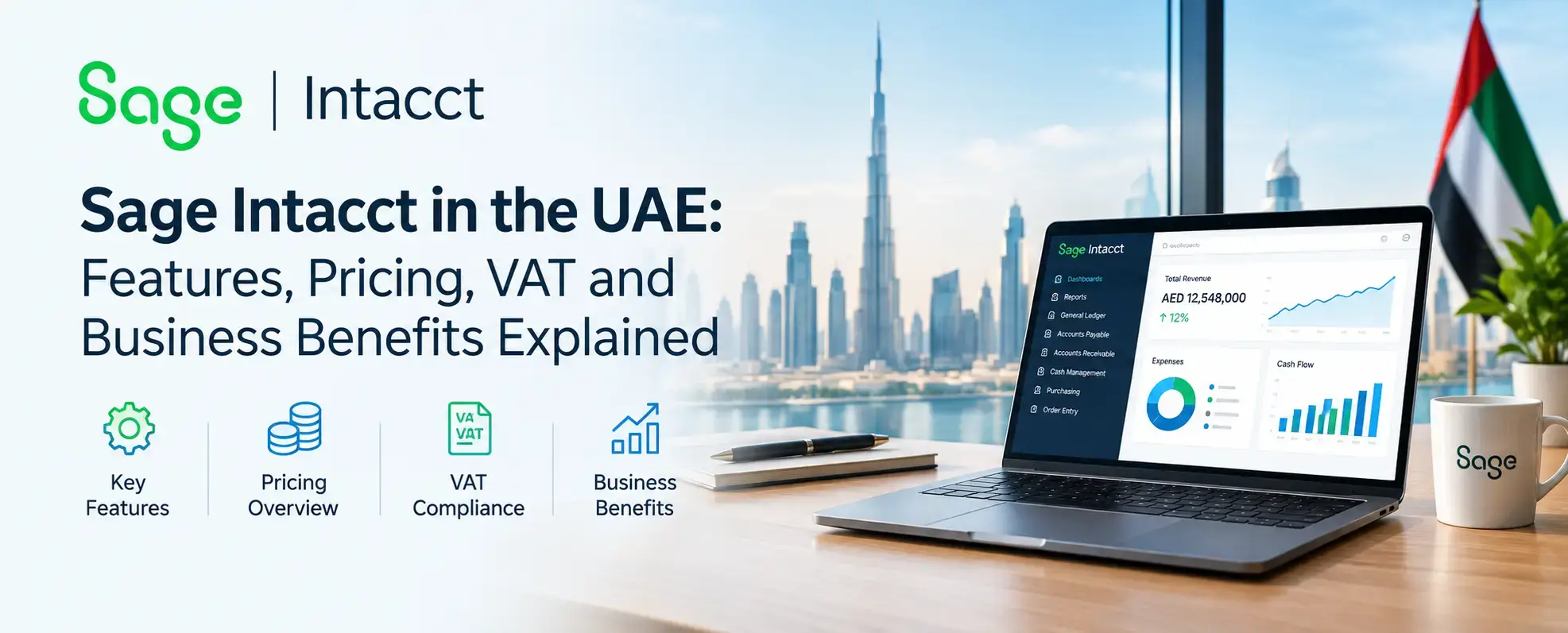
If you’re running a business in the UAE and evaluating Sage Intacct, the real question isn’t just what the platform does. It’s whether it holds
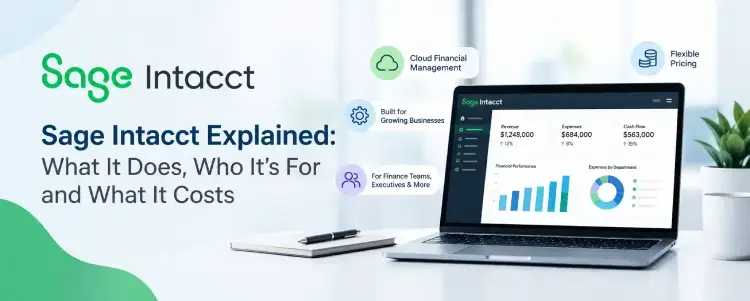
Sage Intacct is a cloud-based financial management platform built for organisations that have outgrown basic accounting software. It automates core finance processes, consolidates multiple entities
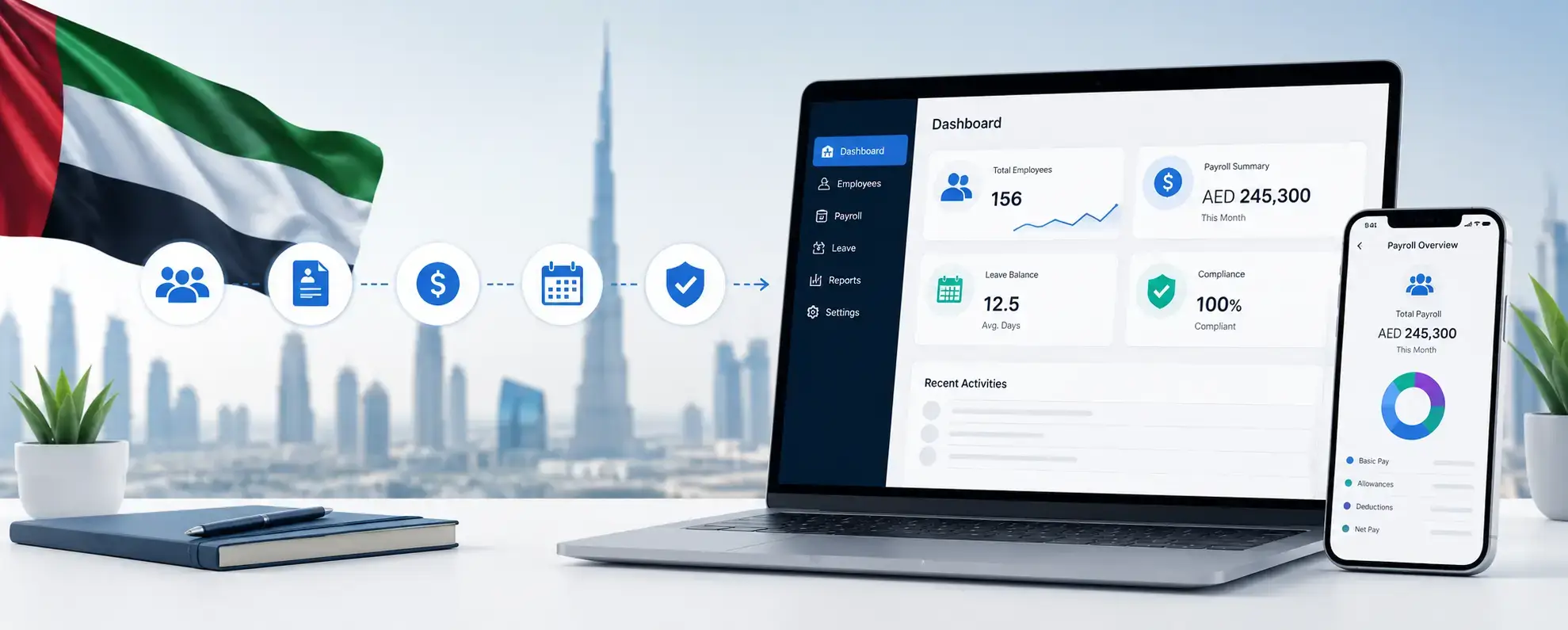
Choosing HR and payroll software is rarely as simple as picking from a shortlist. The software matters, but so does the implementation partner, the configuration
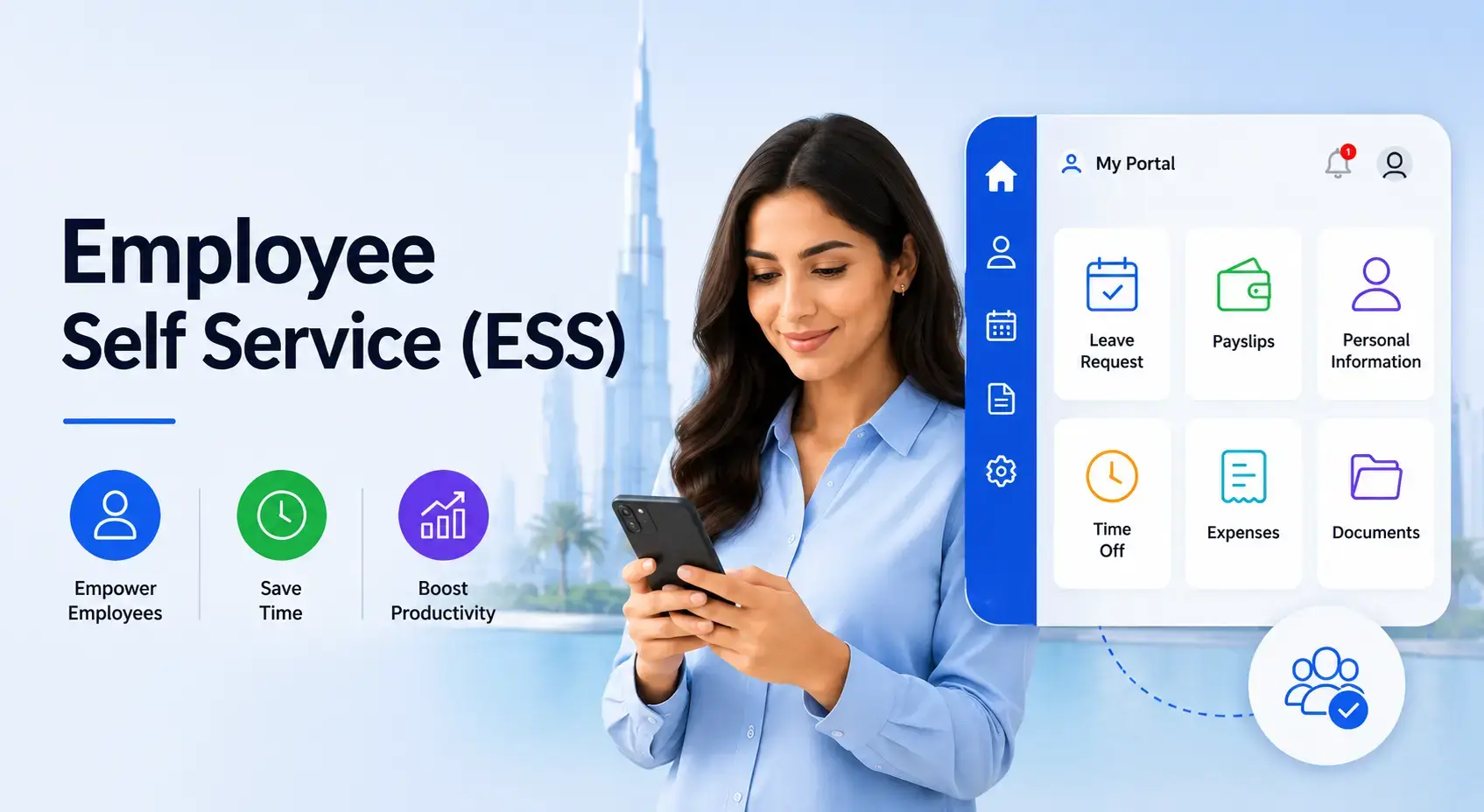
Ask most HR managers what their team spends the most time on each week, and routine employee requests consistently top the list. Payslip copies, salary
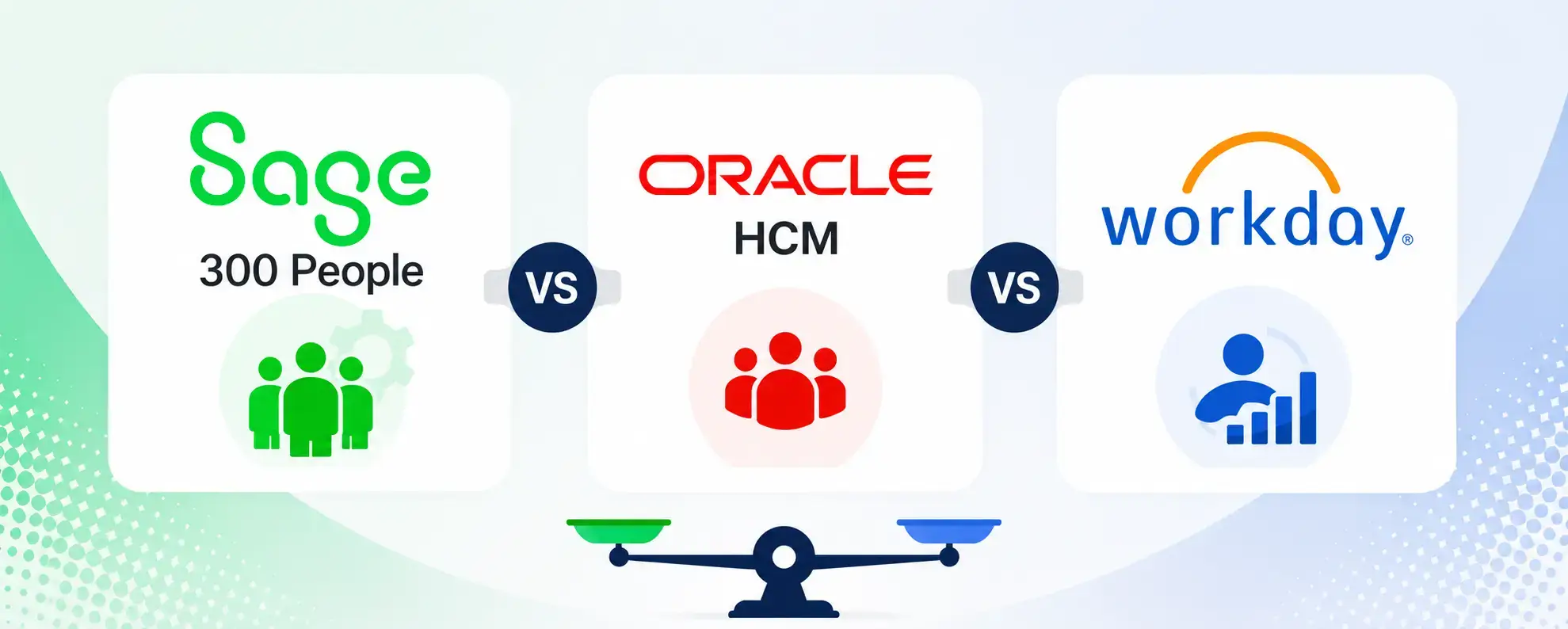
When UAE businesses evaluate enterprise HR software, three names come up repeatedly alongside Sage 300 People: SAP SuccessFactors, Oracle HCM Cloud, and Workday. The SAP
Comparing Sage 300 People vs SAP SuccessFactors is a question, UAE businesses ask at a specific point: when they’ve outgrown spreadsheets and need to choose

The UAE’s private sector workforce grew by 12.4% in 2025, according to MOHRE data, with private sector company registrations rising 7.8% in the same period.
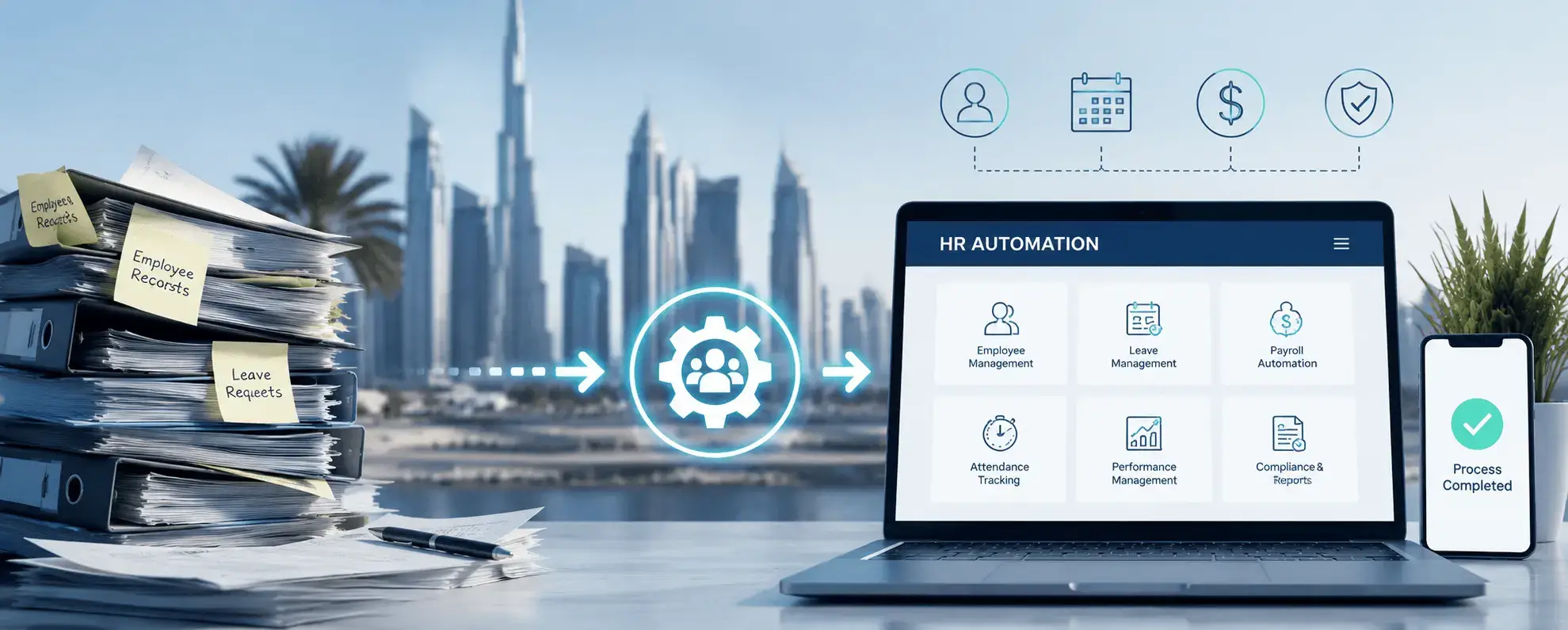
There’s a point in every growing UAE business where the HR team stops being able to keep up. Not because they’re underperforming, but because the
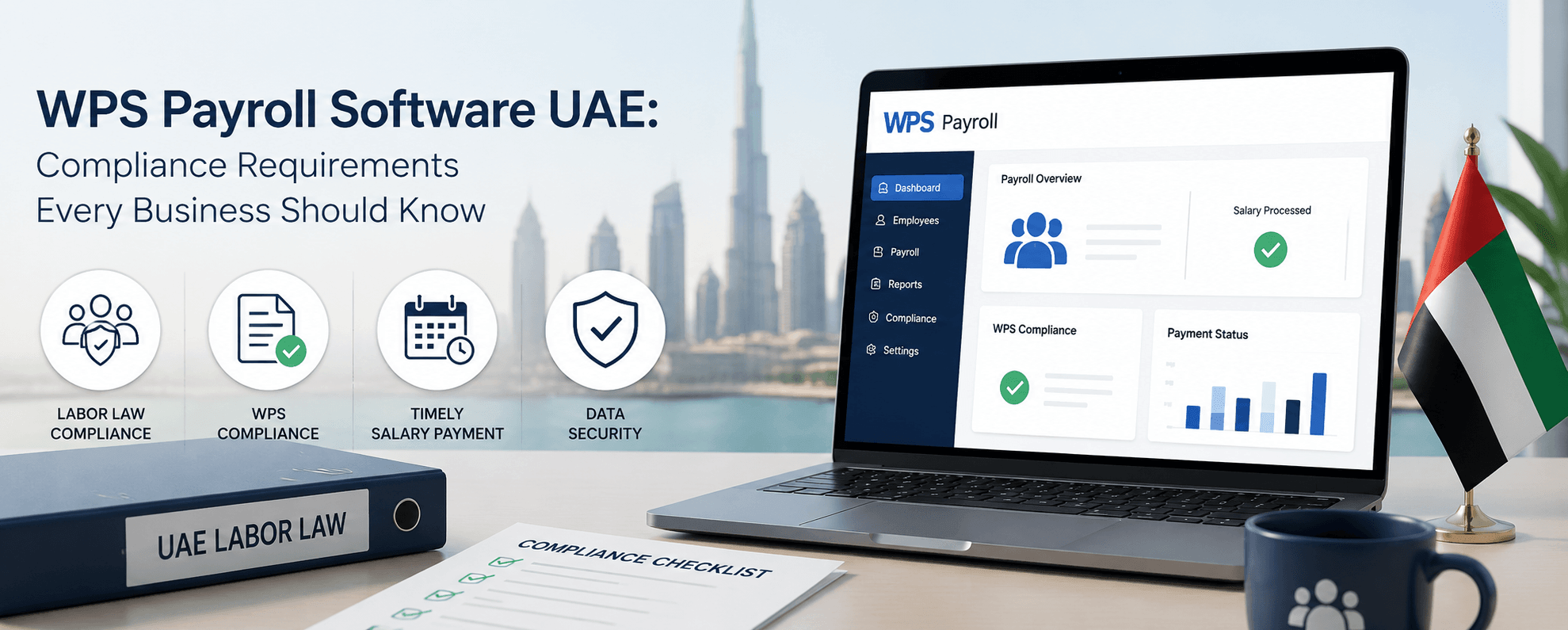
Most UAE employers know that WPS exists and that salaries need to go through it. Fewer understand exactly how the system works, what the submission
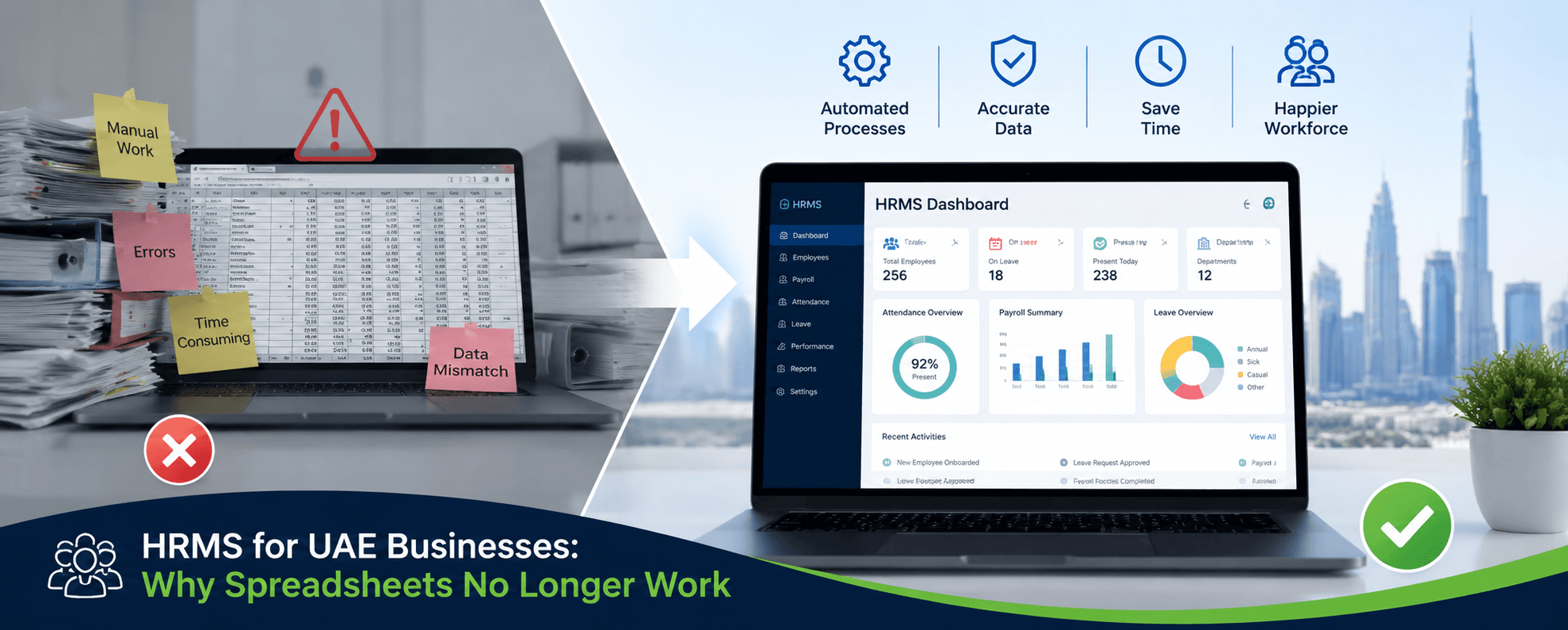
Spreadsheets solve the early HR problem well. A business with fifteen employees can track leave in a shared Excel file, run payroll from a template,
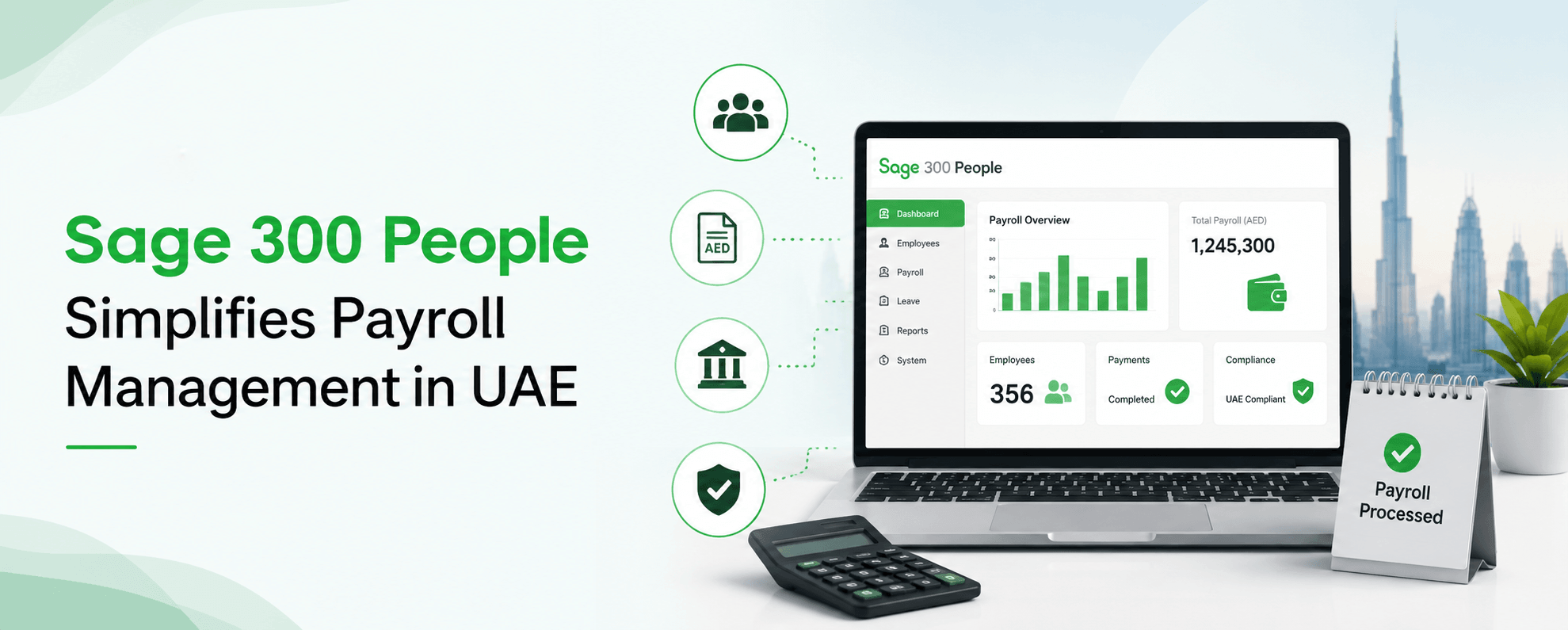
UAE payroll is more structurally complex than most businesses account for when they first set it up. The absence of income tax makes it look
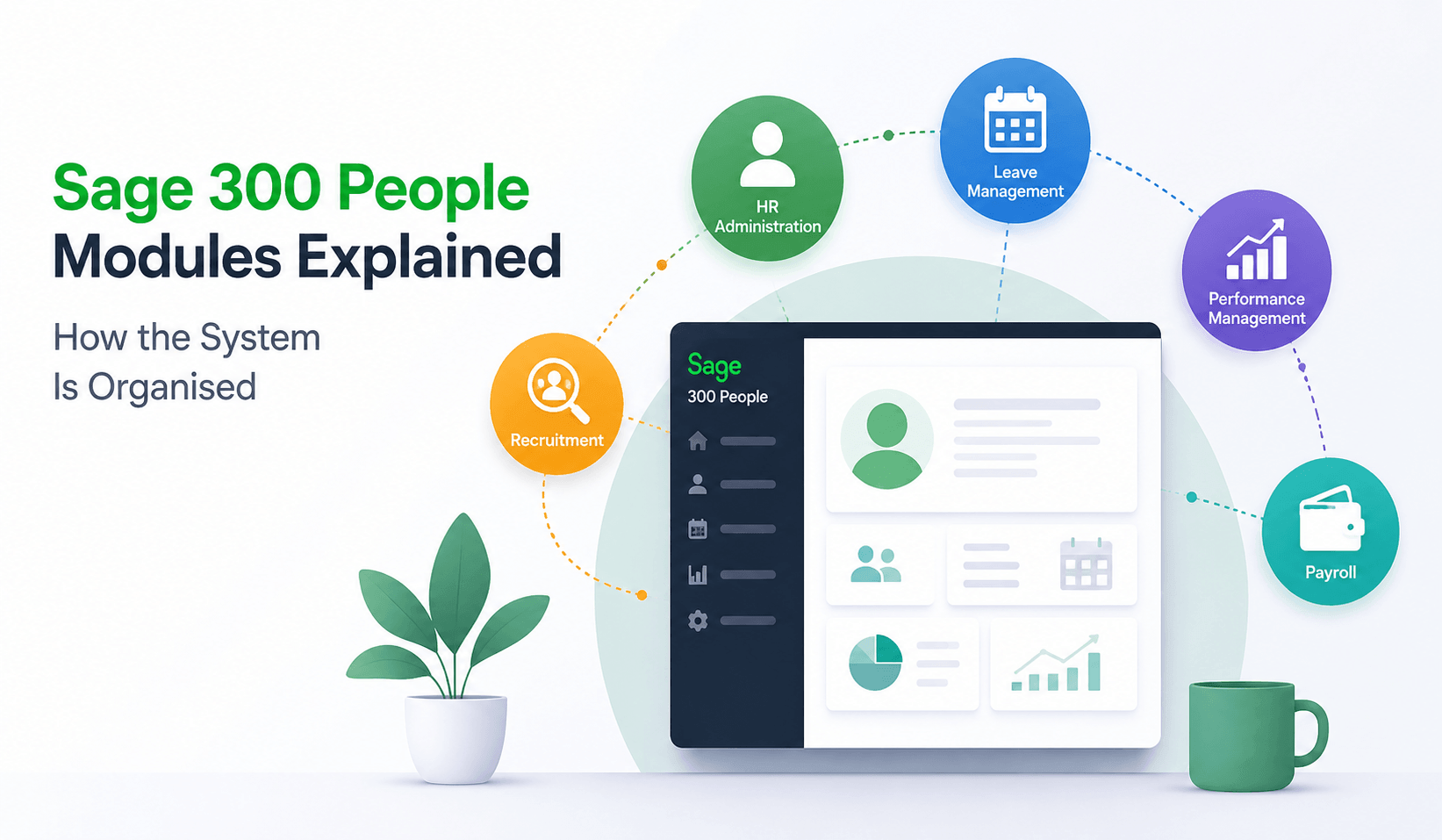
When HR managers evaluate an HRMS, two questions usually surface early: what can it do, and how is it put together? The first question is
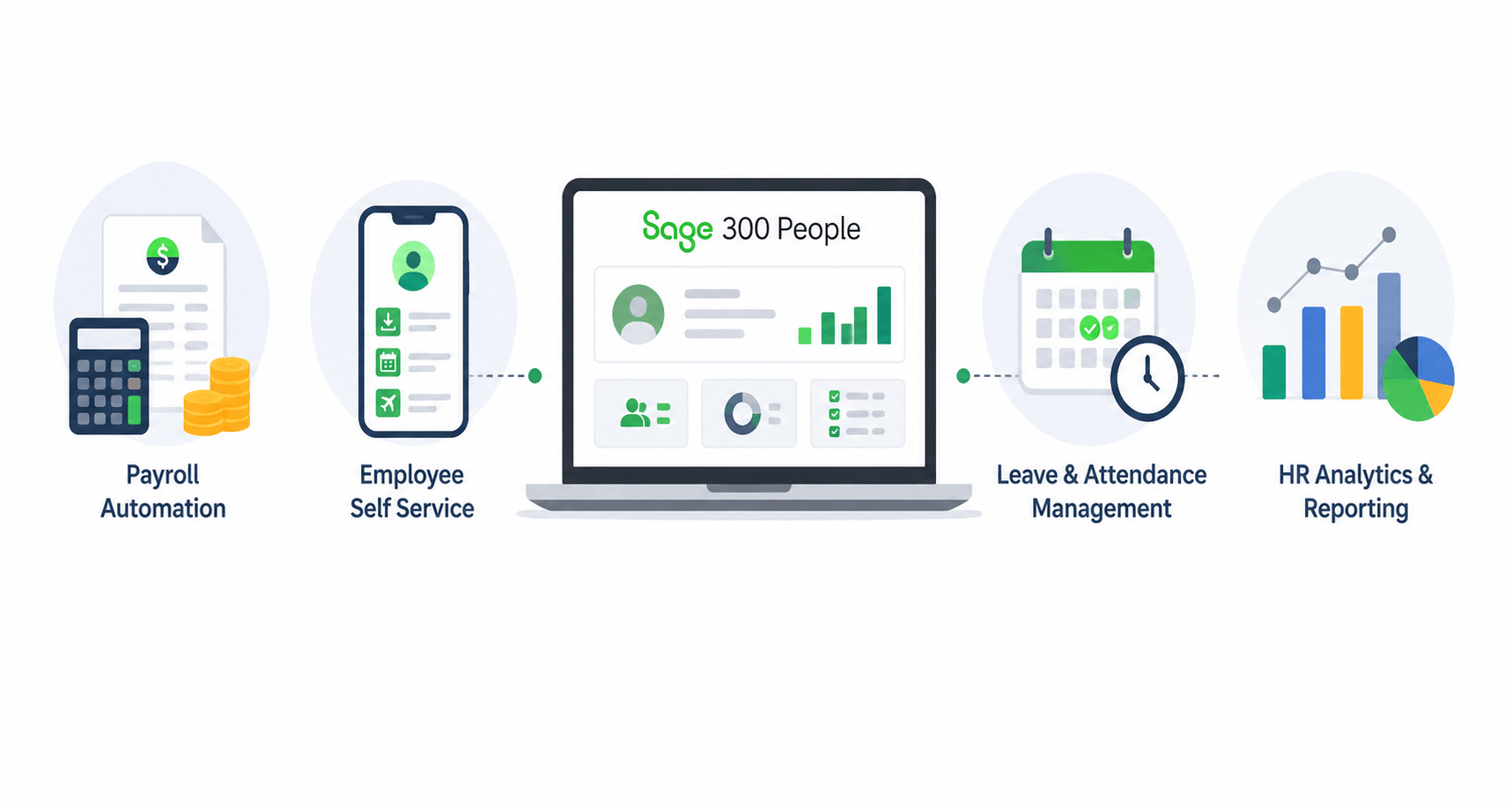
Most HR managers evaluating software don’t actually want a feature list. They want to know whether a system will fix the specific problems slowing their
Running HR and payroll for a growing UAE company usually starts the same way: a few spreadsheets, a shared drive, and someone in HR who
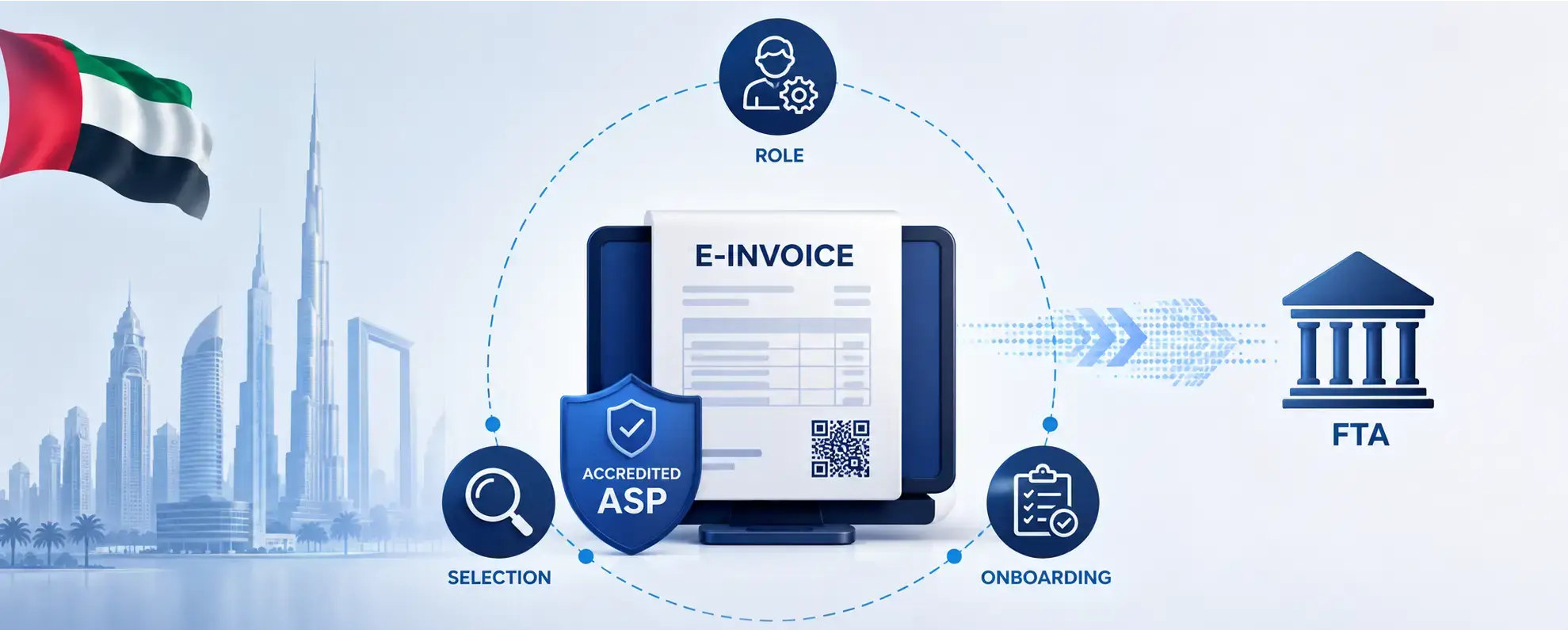
Under the UAE’s Electronic Invoicing System (EIS), businesses cannot transmit invoices directly to the Federal Tax Authority (FTA). Every in-scope invoice must pass through a
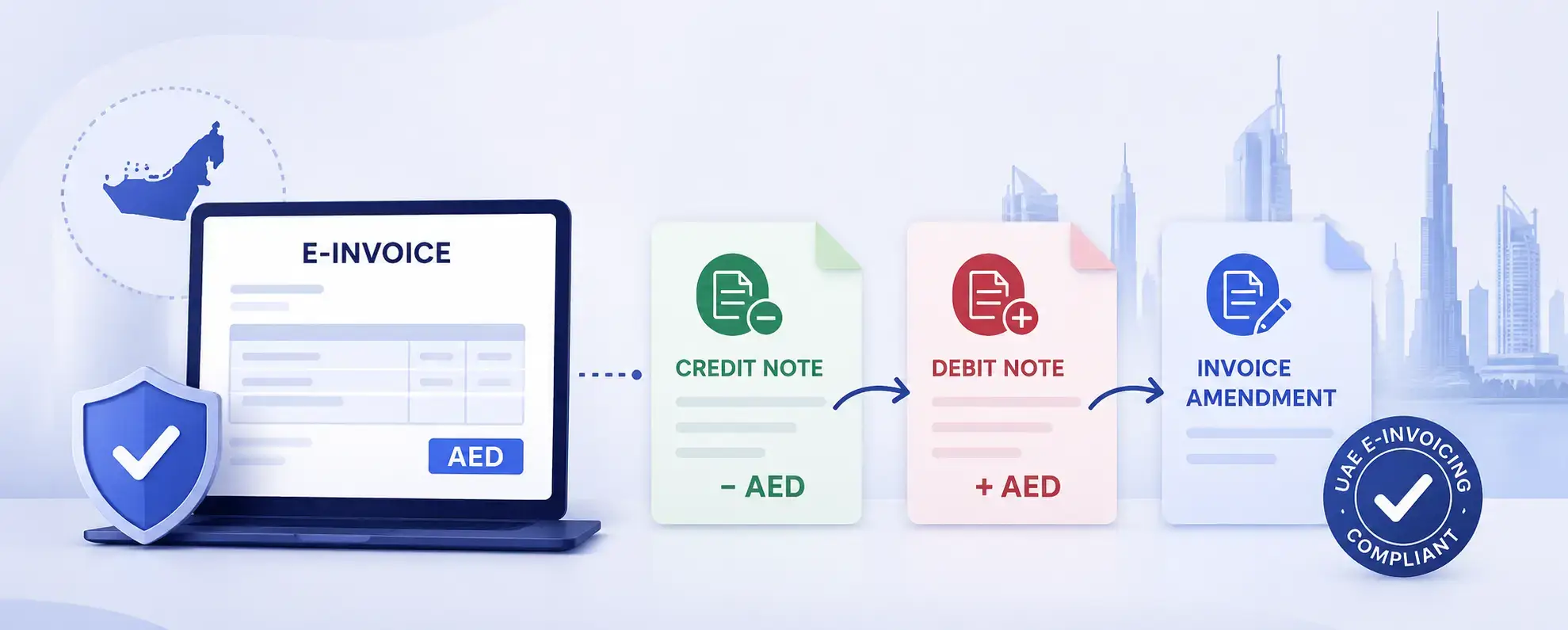
The UAE is replacing PDF and paper invoicing with a mandatory structured e-invoicing system under Ministerial Decisions No. 243 and 244 of 2025 (see our
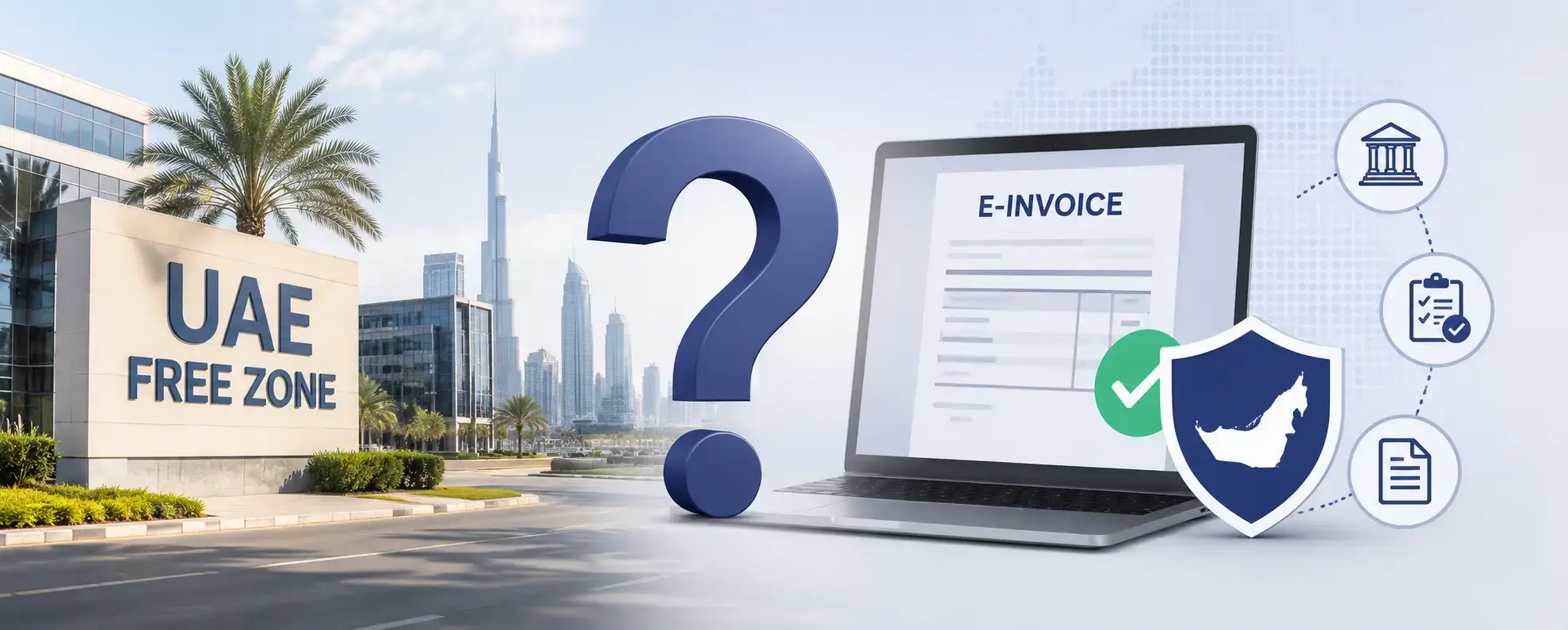
If you’re running a free zone business in the UAE and wondering whether e-invoicing applies to you, the short answer is yes. Ministerial Decision No.
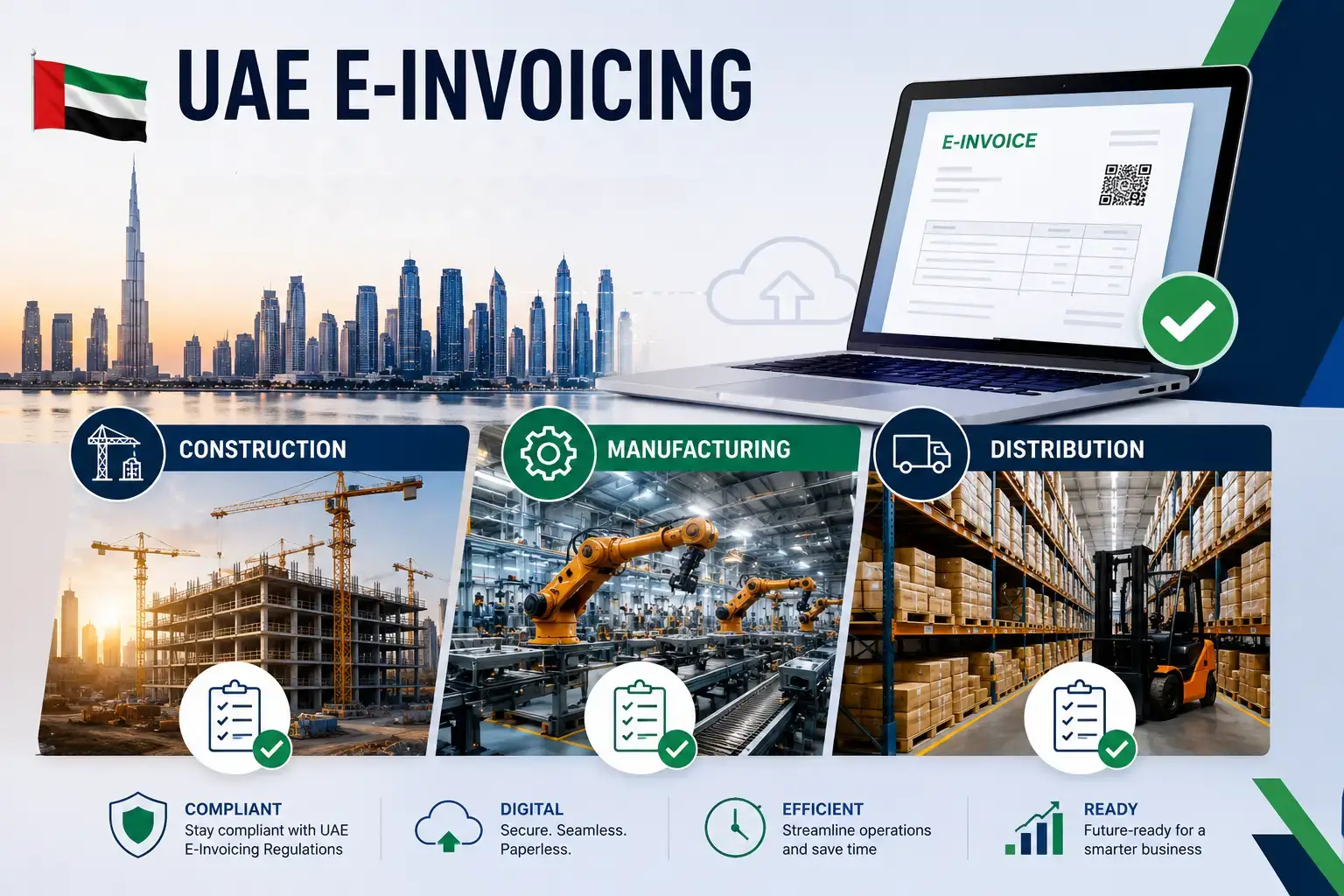
The UAE has made electronic invoicing mandatory for all B2B and B2G transactions under Ministerial Decisions No. 243 and No. 244 of 2025, issued by

With the UAE’s move toward e-invoicing becoming mandatory in July 2026, knowledge of the technical framework of the mandate is a requirement, not an option.
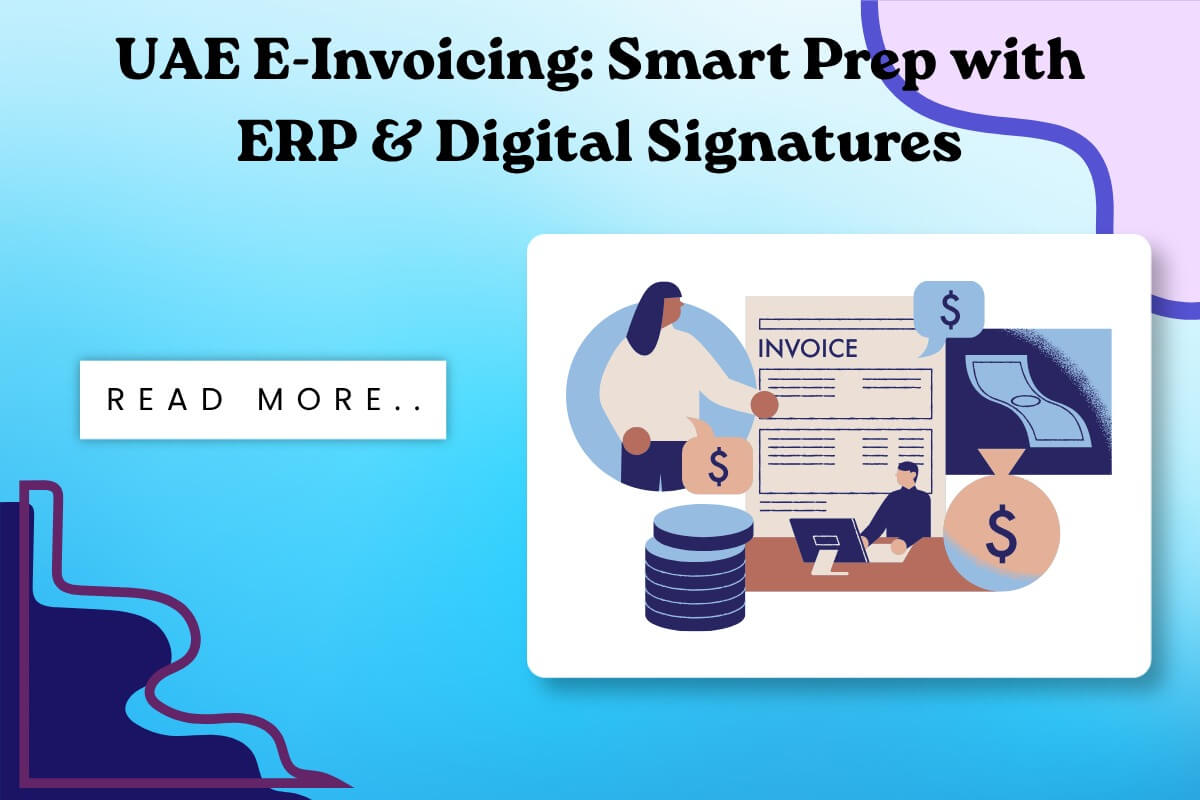
The Federal Tax Authority (FTA) has mandated that, beginning in July 2026, all B2B and B2G B2C business models must comply with regulations for uniform
As the United Arab Emirates approaches the July 2026 mandate for e-invoicing, the role of Accredited Service Providers (ASPs) is significant for any business, but