
Technology
Technical Framework: Peppol 5-Corner Model & Data Standards
With the UAE’s move toward e-invoicing becoming mandatory in July 2026, knowledge of the technical framework of the mandate is a requirement, not an option.

With the UAE’s move toward e-invoicing becoming mandatory in July 2026, knowledge of the technical framework of the mandate is a requirement, not an option.
The Federal Tax Authority (FTA) has mandated that, beginning in July 2026, all B2B and B2G B2C business models must comply with regulations for uniform
As the United Arab Emirates approaches the July 2026 mandate for e-invoicing, the role of Accredited Service Providers (ASPs) is significant for any business, but
E-Invoicing for all businesses in the UAE will begin in July 2026. As a result of this announcement, many financial managers have started to think

As the UAE moves to a fully digitalized tax system, it is important for you to understand who will be required to comply with the

The United Arab Emirates is quickly moving to a completely digital tax environment. E-invoicing will become compulsory for business-to-business and business-to-government transactions in the UAE
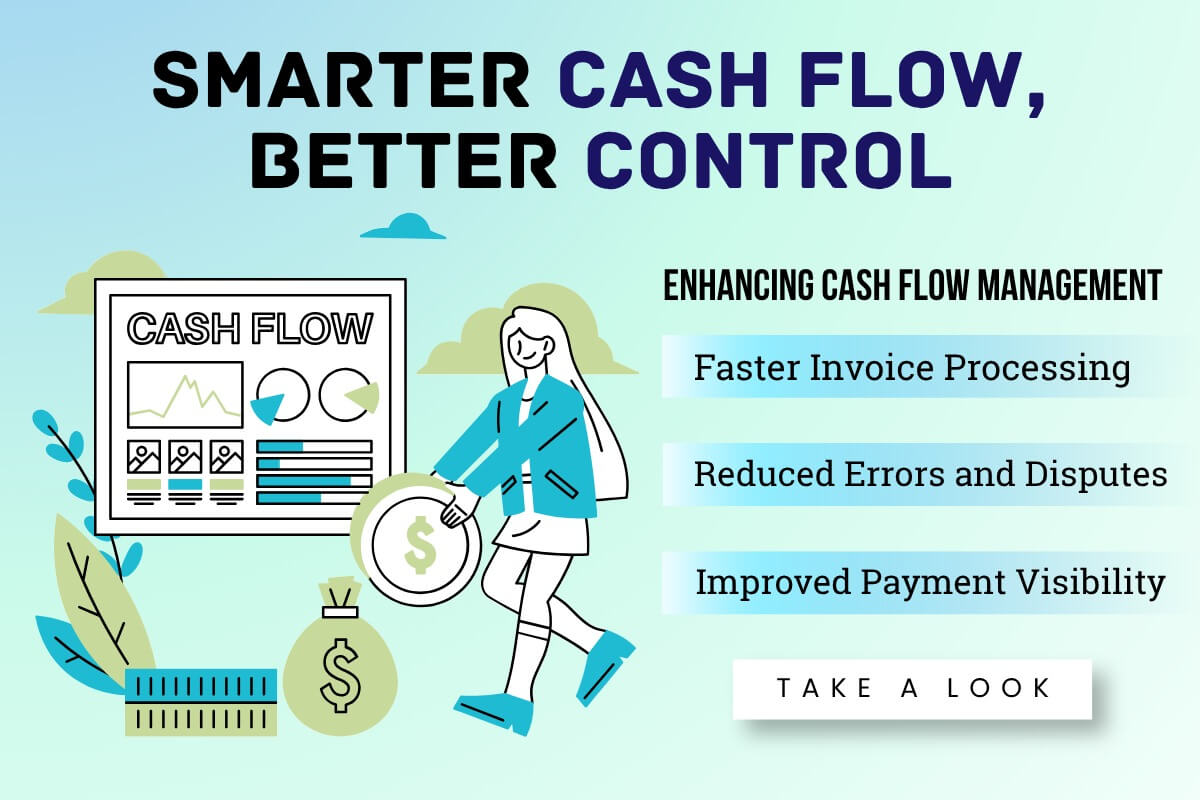
While compliance is likely the initial driver for e-invoicing in the UAE, it will not be the end goal. As businesses prepare to meet regulations,

UAE e-invoicing requires businesses and organizations in the UAE to conduct ERP upgrades or redesign processes to accommodate and meet the deadlines of the UAE
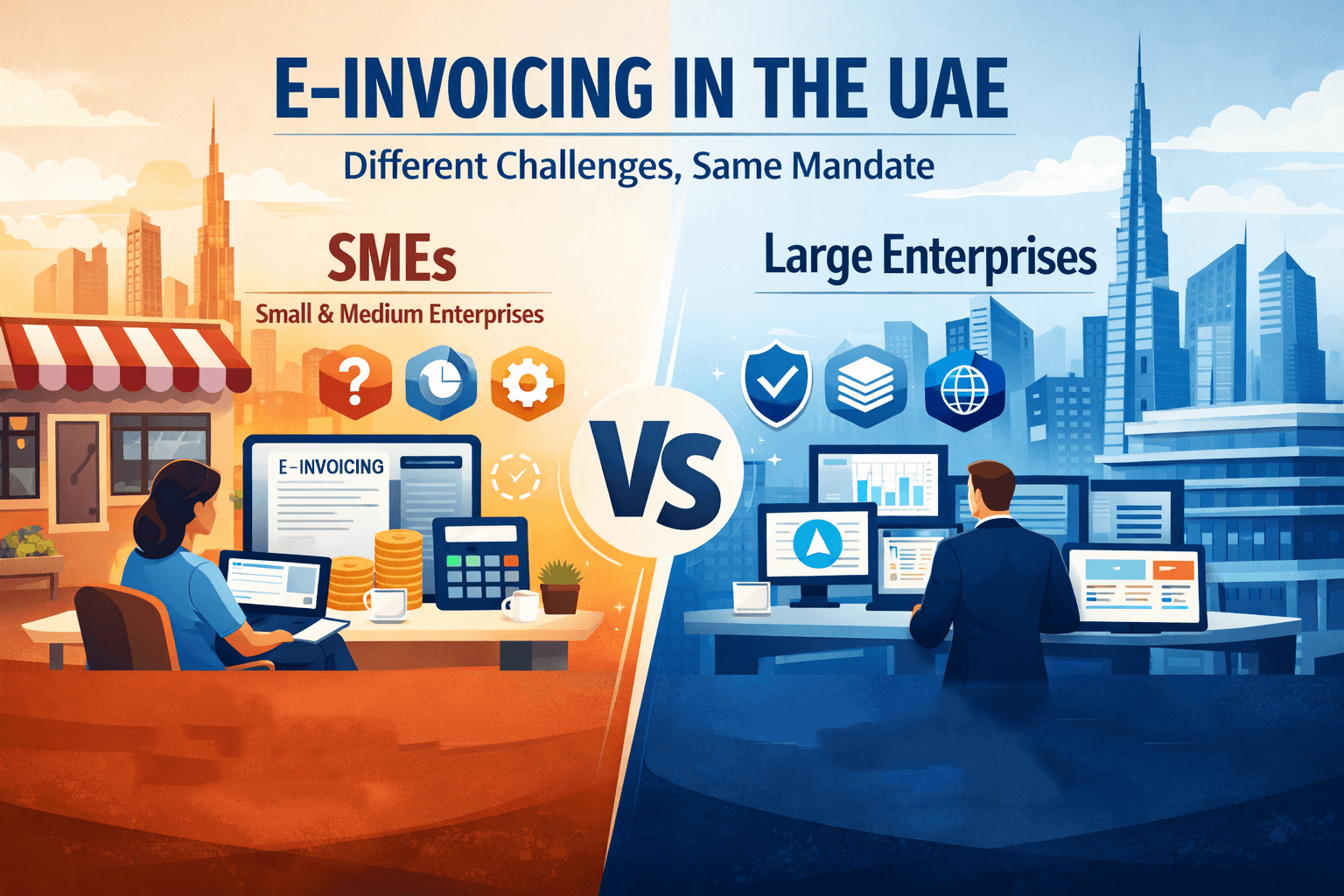
Introduction Adoption of the UAE digital tax system is not a choice; it’s only a matter of when you will have to do it. The
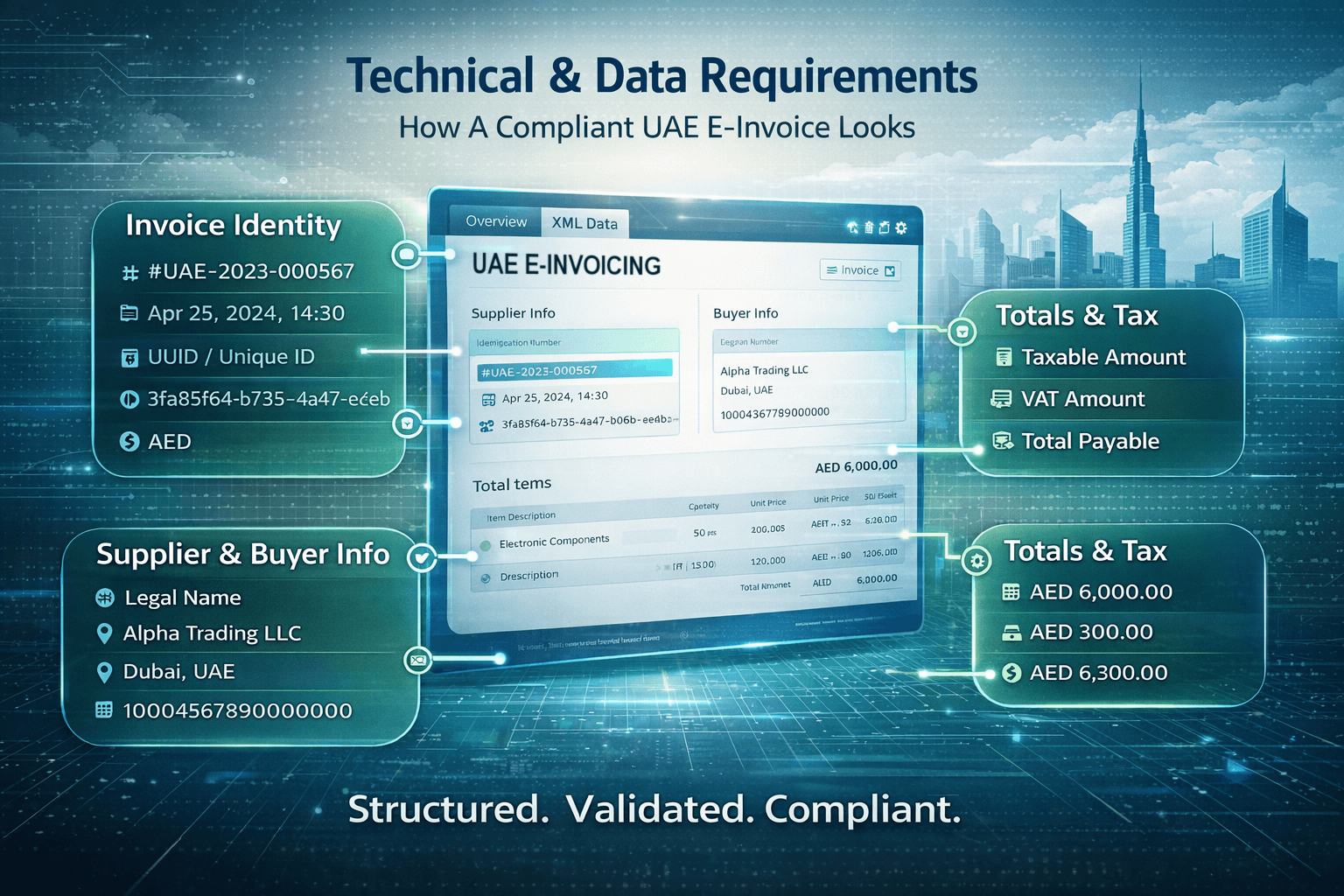
To be compliant, an e-invoice issued in the UAE should adhere strictly to the provisions laid out by the Data Dictionary and PINT AE standards
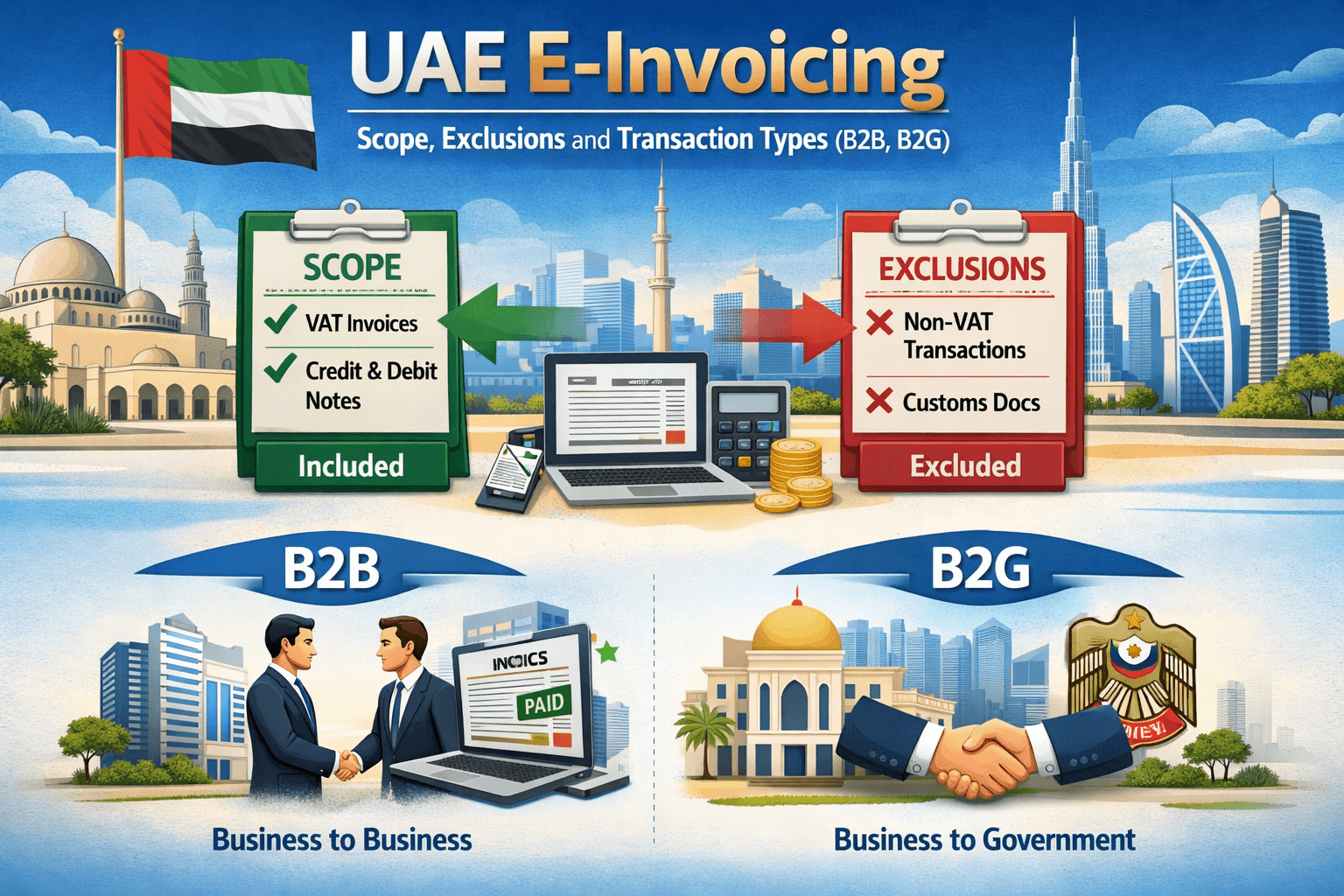
Introduction The e-invoicing scope in the UAE establishes which companies and transactions need to utilise structured digital invoices as part of the new Electronic Invoicing
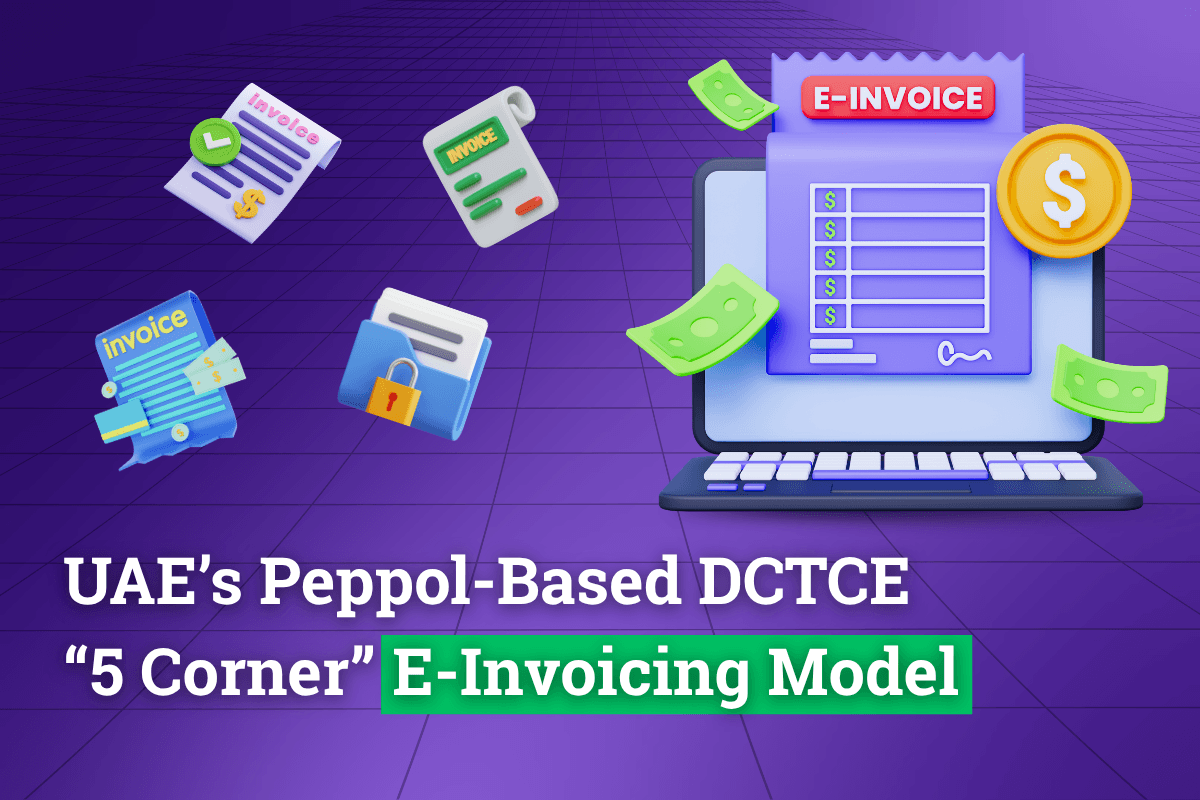
The UAE’s Peppol-Based DCTCE 5 Corner E-Invoicing model is a decentralised e‑invoicing framework where UAE e-invoicing data moves between suppliers and buyers through accredited intermediaries,
The introduction of e-invoicing in the UAE is currently at a critical point due to the implementation during 2026 – 2027, therefore it is important
Introduction The deadlines for UAE e-invoice compliance are rapidly approaching. All VAT-registered businesses must meet the deadlines for each of the 3 phases (2026-2027) as
The strategic decision to choose financial management software is a critical time for any business, especially for Small and Medium Enterprises (SMEs) that operate in
As the year 2025 gets underway, the accounting field remains dynamically evolving. For businesses in the UAE, being compliant, agile, and data-driven has been the
Selecting an Enterprise Resource Planning (ERP software UAE) solution is arguably the most consequential technology decision a business will make. In the fast-moving, competitive environment
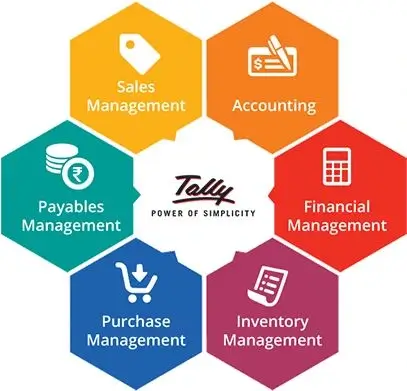
Today’s fast-paced business environment demands more from financial management software than ever and, in the UAE, businesses face a unique challenge – managing rapid growth
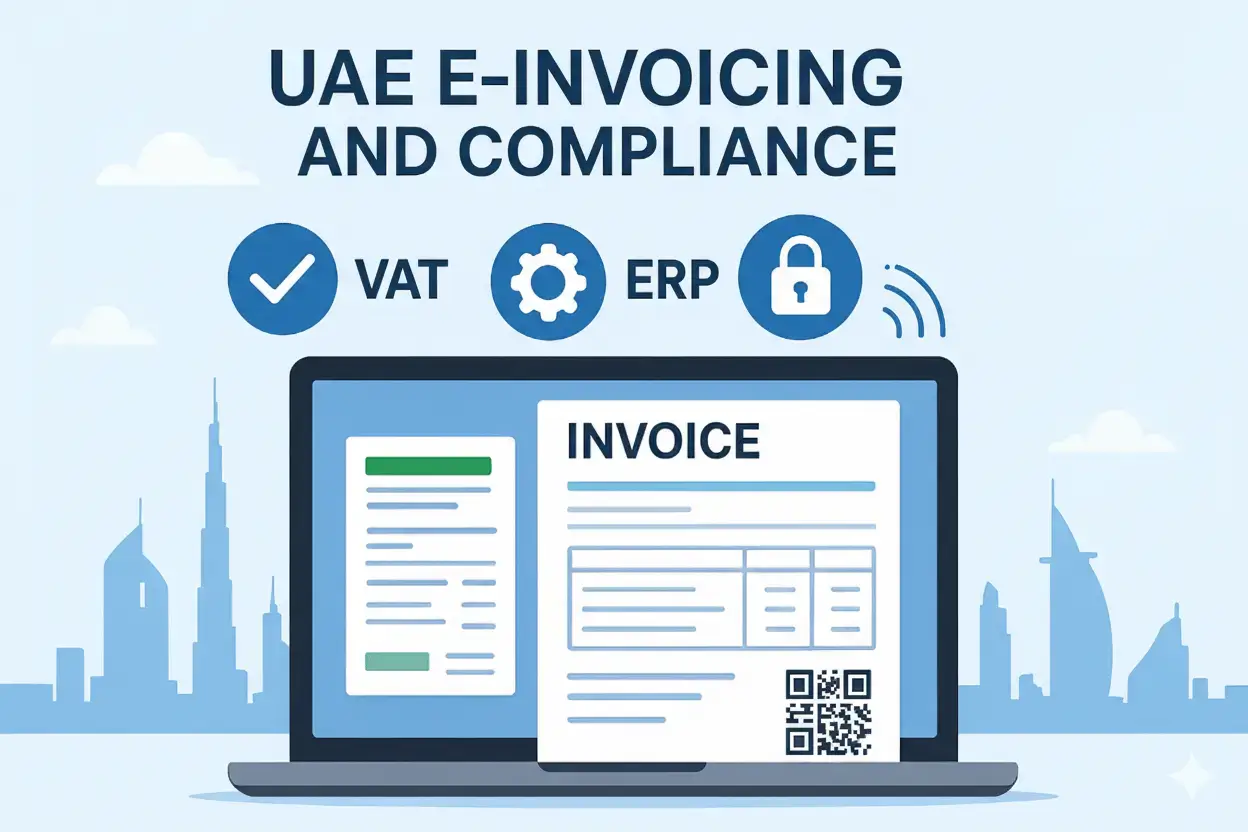
The United Arab Emirates stands on the threshold of a shift in the manner businesses will manage invoices’ systems. The UAE will require electronic invoicing
In the fast-paced business world of today, collaboration underpins efficiency and growth. For UAE organizations working in a hybrid model, adopting remote working practices and
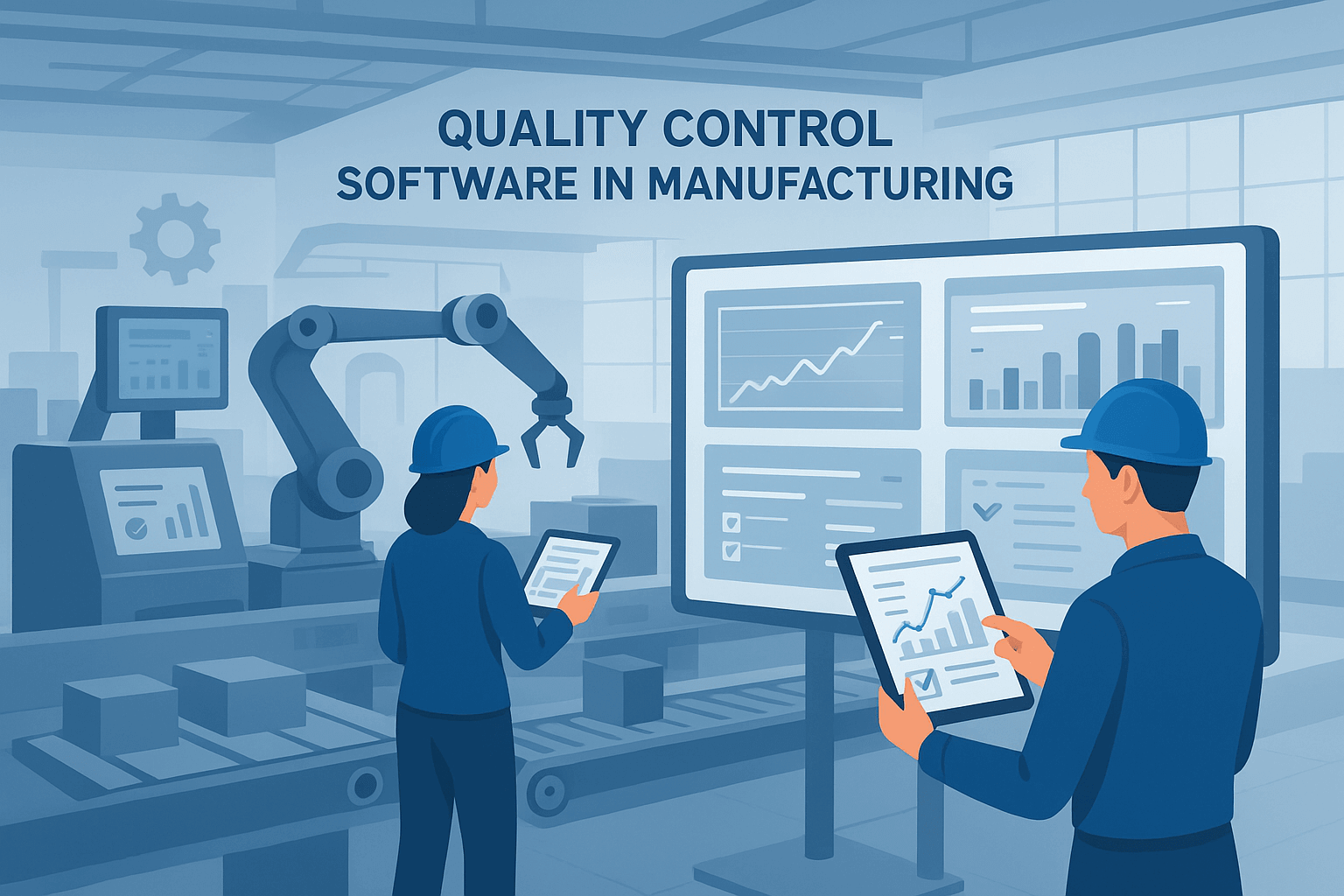
Quality consistency stands as the essential element that manufacturing companies in the UAE need to survive in the fast-changing industrial production environment. The market demands
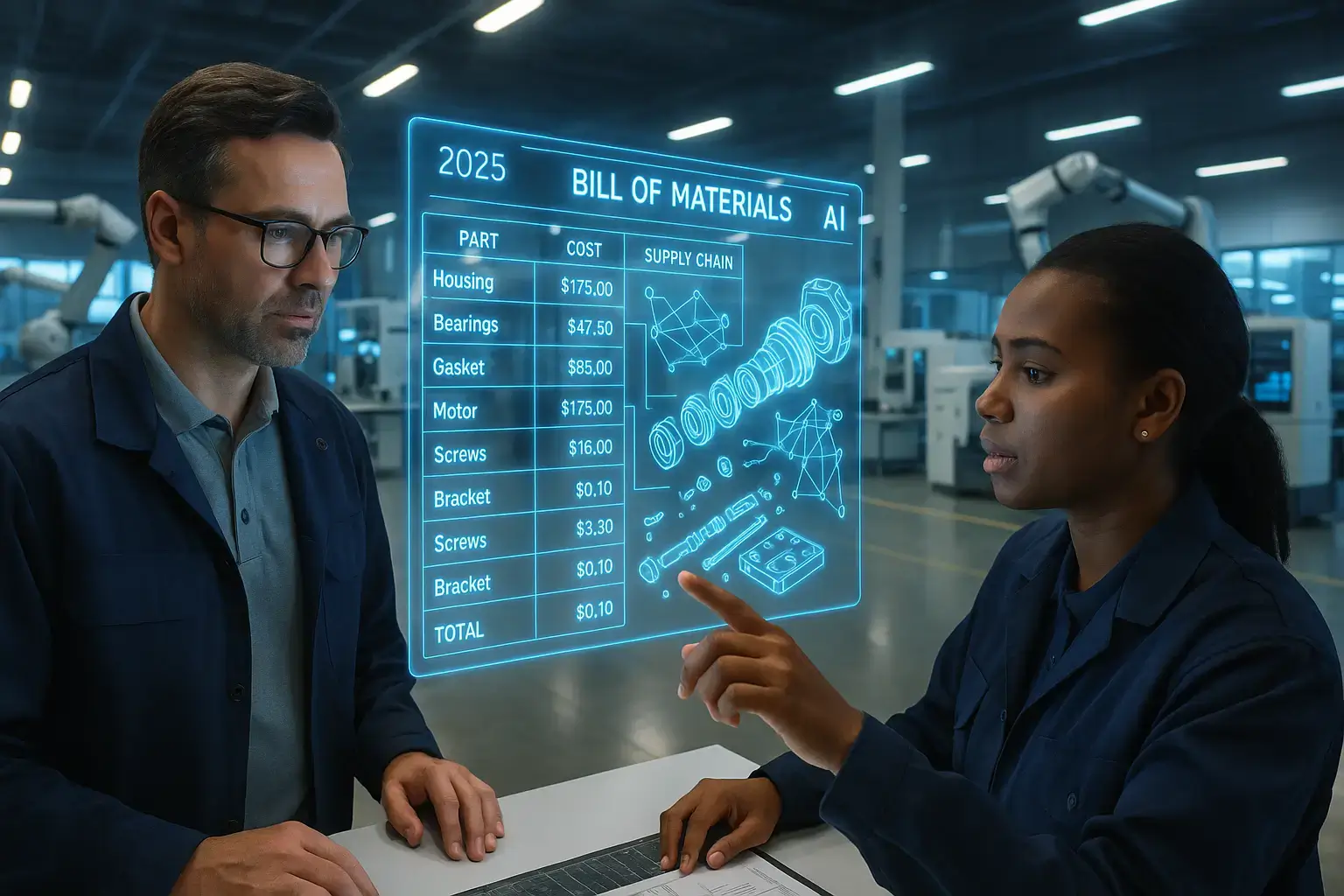
Imagine if you were to reduce production time by 25% or reduce materials waste by 15%. For manufacturers in the UAE, those are not future

For small and mid-sized businesses (SMEs) in the UAE, effective financial management is much more than an administrative task; it’s the key to growing your

By 2025, Product Lifecycle Management (PLM) tools will no longer be merely a data repository. Rather, they will have evolved to become intelligent platforms that