ERP puts finance, inventory, sales, and HR in one system, so everyone works from the same live data. For most UAE SMEs, cloud ERP is the easier route. There are no servers to buy, setup is faster, and the provider handles updates.
Benefits of cloud ERP for UAE SMEs
Less manual work
Invoicing, stock updates, and reporting run from one system, so your team stops re-keying the same data into spreadsheets.
Clearer finances
Cash, expenses, and margins are visible in real time. You no longer wait for a month-end spreadsheet to see where the business stands.
One version of the data
Sales, stock and accounts use the same figures. When a warehouse update changes stock levels, finance sees it straight away.
Room to grow
You can add users, modules, branches or companies without replacing the system. If you run several entities, look at Sage Intacct, which consolidates them in one place.
Support for UAE compliance
A UAE-ready ERP handles VAT calculations and tax invoices. The UAE is also moving to mandatory e-invoicing through accredited service providers, so ask any vendor how its system sends invoices in the required format. Our guides cover accredited service providers and e-invoice technical requirements.
Lower upfront cost
Cloud ERP is usually paid as a subscription, so you avoid buying servers. The provider supplies updates, backups, and security patches.
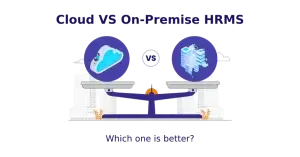
Cloud ERP or on-premises ERP?
Cloud ERP |
On-premise ERP |
|
| Upfront cost | Lower (subscription) | Higher (licences and hardware) |
| Setup | Faster, no servers needed | Longer, needs hardware |
| Updates | Handled by the provider | Run by your IT team |
| Remote access | Built in | Needs extra setup |
We implement both. Cloud suits most SMEs. On-premise can make sense if you have strict hosting requirements or want full control of your servers.
Signs your business needs ERP
- You enter the same data in more than one tool.
- Month-end reports take days to assemble.
- Stock or sales figures differ between teams.
- You still handle VAT or e-invoicing by hand.
- You are adding branches, companies, or staff.
How to choose an ERP provider
Ask three questions. Does the system support UAE VAT and e-invoicing? Can it grow with your users and entities? Who supports you locally after go-live?
Rockford Computer works with Sage, Edge ERP, Focus 9 ERP and SAP Business One, and provides implementation, data migration and ongoing support. Read how we approach ERP implementation in the UAE.
Frequently asked questions
Is cloud ERP suitable for a small UAE business?
Yes. If spreadsheets or basic accounting software no longer keep up, cloud ERP is a practical next step. Many small teams start with finance and inventory and add modules later.
Can cloud ERP handle UAE VAT?
Most modern ERPs support UAE VAT, but not all do. Check that the specific product produces VAT returns and tax invoices in the UAE format before you buy.
How long does implementation take?
It depends on the number of modules, the amount of data to migrate, and how many entities you run. Projects typically take from a few weeks to several months.
Is my data safe in the cloud?
Ask where the data is hosted, how often it is backed up, and who can access it. We also offer backup and disaster recovery services.
Want to see how cloud ERP would work for your business? Book a free demo or contact our team.