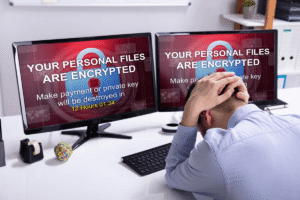
In 2024, the UAE Cybersecurity Council reported there had been a 45% rise in cloud-based cyber incidents attributed to the UAE’s digital rush. As businesses, teams, and ministries continue to embark on their movement to the cloud, cybersecurity assurance is no longer a negotiation; it’s a business requirement.
Organizations expanding from cloud software security for small businesses to hybrid cloud security for large-scale public-sector projects must have advanced security features that help organizations protect sensitive data, comply with various responsibilities, and ensure business continuity.
Here’s a detailed look at the top cloud-based software security features every UAE enterprise should consider in 2025.
1. Advanced Data Encryption
Encryption continues to be the pillar of cloud security in the UAE. Top cloud service providers use AES-256 encryption for data at rest and TLS 1.3 encryption for data in transit. All the data is unreadable even when compromised.
In regulated sectors—like banking, healthcare, and e-government platforms—encryption using cloud-based software in the UAE is often a requirement of the Telecommunications and Digital Government Regulatory Authority (TDRA). The higher the encryption standards, the more options you have. Choosing a provider that has end-to-end encryption means only you have access to your data, even the service provider can’t access it!
2. Multi-Factor Authentication (MFA)
Passwords have become unreliable on their own. Multi-factor authentication (MFA) cloud UAE solutions require more than just a password. In addition to all types of passwords, users must verify their identity using other factors: biometrics, security tokens, or OTPs (one-time passwords).
This is extremely important in enterprise software development, Dubai projects that rely on large citizen or customer databases. MFA, when implemented correctly, can minimize risks associated with breaches, even if the proper credentials were compromised.
3. Compliance and Regulatory Alignment
In the UAE, businesses must be compliant with the law, not just best practice. Providers should provide:
- Cloud compliance UAE
- TRA alignment
- ISO 27001 certification
- GDPR readiness for companies running services for EU clients
Other sectors which require specialist compliance requirements, including finance & healthcare, must factor in narrowly focused compliance features – for example, data residency cloud UAE, are used to ensure the data is stored in the UAE in order to ensure compliance with regulations.
4. SOC as a Service (SOCaaS)
Utilizing an outsourcing Security Operations Center capability allows for real-time detection and threat response without the need for an in-house SOC team. SOC as a service UAE offers dedicated monitoring, incident analysis, and forensic reporting- crucial components for those organizations that are enduring sophisticated attack threats toward their organizations.
Incorporating SOCaaS capabilities into digital transformation software in UAE projects, companies can sustain their agile focus while enhancing their defence posture.
5. SIEM Integration
SIEM for cloud UAE (Security Information and Event Management) platforms gather and interpret all log data across networks, applications, and cloud services to provide the following benefits: to provide rapid identification of anomalies and generation of alerts for incidents holistically and automatically.
When used in coordination with SOCaaS, SIEM becomes the analytic foundation for cloud security audit in Dubai, providing proactive and reactive protection.
6. Cloud Identity and Access Management (IAM)
IAM services and tools provide or enable granular control for administrators over who accesses what, and when. IAM solutions from and for cloud-based identity access management UAE support role-based permissions, single sign-on (SSO), and session monitoring.
For e-government solutions within the UAE, IAM ensures that only correctly verified and authorized personnel have access to critical systems and significantly reduces any insider threat risks.
7. Web Application Firewall (WAF)
A cloud WAF service UAE filters, monitors, and blocks harmful traffic sent against web applications. This is essential for custom software UAE developers hosting external-facing applications because it safeguards against threats like SQL injection, cross-site scripting (XSS), and DDoS attacks.
In addition, utilizing WAF together with UAE smart automation software systems protects both the customer interactions and internal processes.
8. Regular Cloud Security Audits
Annual or semi-annual Audit Programs for compliance, cloud security, vulnerabilities, and performance of cloud services ensure compliance, identify vulnerabilities, and address how the provider manages the cloud services.
Audit programs are more important in software development outsourcing in the UAE, where there is a shared level of responsibility for security between the vendor and client.
9. Cloud Backup & Disaster Recovery
A breach of security might be financially taxing, but a breach of data can be disastrous. Cloud backup and data security UAE solutions help businesses quickly restore data and minimize downtime.
For hybrid infrastructures, hybrid cloud security options UAE provide durability and redundancy, achieving both private and public cloud advantages.
10. Sustainable and Secure Development Practices
Security must be an integral part of the software lifecycle. Using DevOps agile software UAE and sustainable software development UAE will allow for continuous deployment of security patches and updates without any disruption to operational activities.
Low-code platforms, too, now have built-in security, thereby making the low-code development tools UAE a safer option for rapid project deployments.
Integrating Features for a Holistic Strategy
No one feature is enough. Businesses in the UAE are bringing together AI in business software UAE and cloud security best practices UAE (like continuous monitoring, automated patching, and compliance tracking) as this multi-layered approach gives businesses the best chance to address threats before they get out of hand.
Choosing the Right Cloud Security Provider
When evaluating a cloud security UAE provider, think about:
- Established compliance history with respect to the UAE and international standards
- Security measure scalability to support your company’s growth
- 24/7 support with a local presence in the UAE
- Transparent pricing on added services such as SOCaaS and SIEM
Conclusion
As an increasing number of UAE businesses implement digital transformation, safeguarding a cloud-based model will become more than an operational necessity, but a regulatory issue in 2025. As foes develop their capabilities from encryption to MFA, SOCaaS, and WAF, the right combination of tools and policy will safeguard your organization from an ever-connected environment.
Safeguard your business by working with a trusted, cloud security UAE partner. Request a security audit to get an understanding of your vulnerabilities and to future-proof your cloud environment.